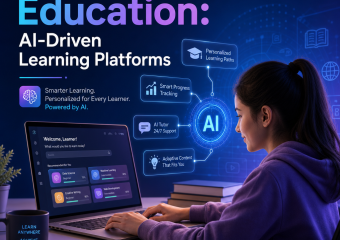

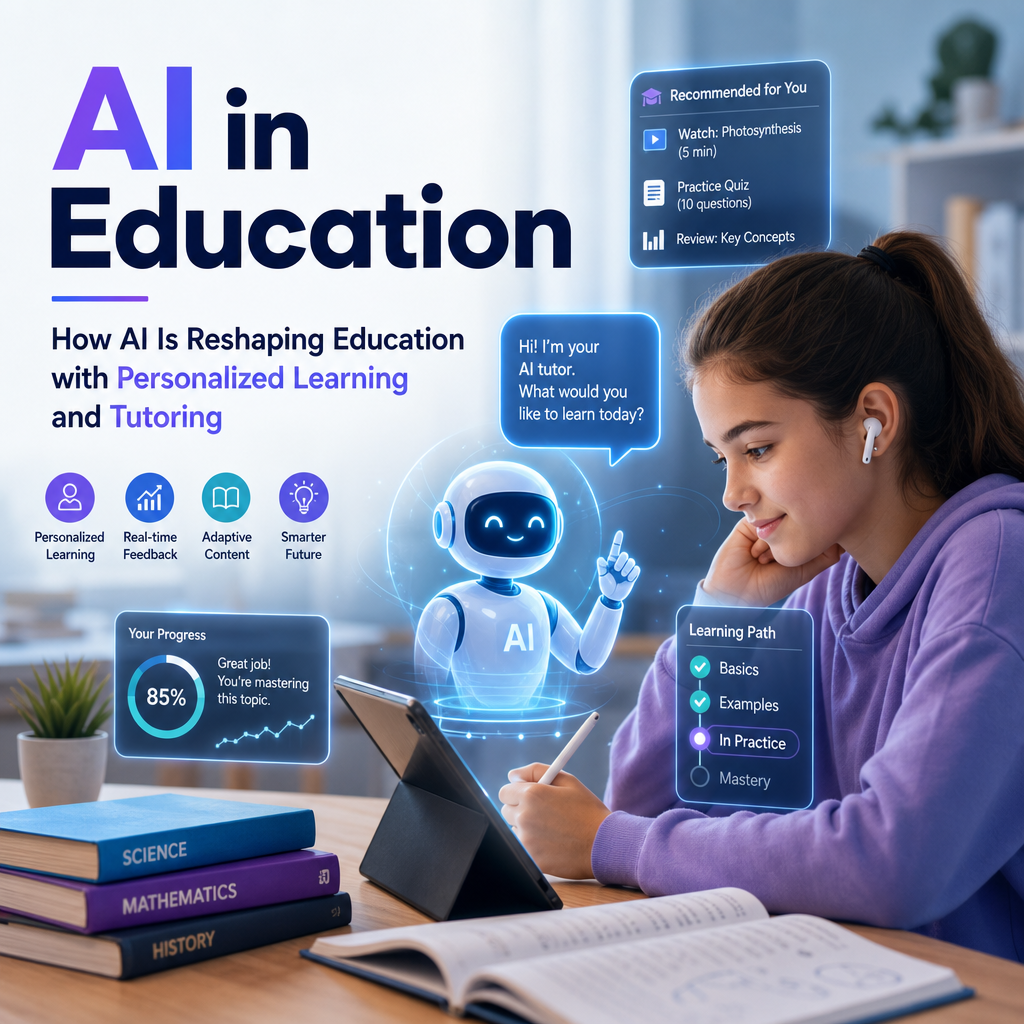
How AI Is Reshaping Education with Personalized Learning and Tutoring
How AI Is Reshaping Education
Artificial intelligence is no longer a futuristic idea in education. It is already changing how students learn, how teachers teach, and how schools operate behind the scenes. From personalized learning paths to automated administration and intelligent tutoring systems, AI is helping education become more adaptive, efficient, and student-centered.
The impact of AI is not about replacing educators. Instead, it is about giving them better tools and giving learners more support at every stage of the journey.
Personalized Learning for Every Student
One of the most exciting ways AI is reshaping education is through personalized learning. In a traditional classroom, teachers often have to move at one pace for many students. That can make it difficult to meet the needs of advanced learners, struggling students, and everyone in between.

AI changes that by analyzing how each student learns. It can identify strengths, weaknesses, preferred learning styles, and knowledge gaps. Based on this data, AI-powered platforms can recommend lessons, exercises, and assessments that match the student’s current level.

What personalized learning looks like
- Adaptive quizzes that change based on performance
- Reading materials matched to a student’s pace
- Practice exercises focused on weak areas
- Progress tracking that updates in real time
This approach helps students stay engaged because the material feels relevant and achievable. It also reduces frustration, since learners are less likely to be overwhelmed or bored.
For teachers, personalized learning tools provide valuable insights. Instead of guessing who needs help, they can see where students are struggling and intervene more effectively.
Automated Administration Saves Time
Teachers and school staff spend a huge amount of time on administrative work. Grading assignments, tracking attendance, answering routine questions, scheduling meetings, and updating records can take time away from instruction. AI is helping reduce that burden.
Automated administration systems can handle many repetitive tasks quickly and accurately. For example, AI can grade multiple-choice and short-answer tests, organize student data, and send reminders about deadlines or events. Chatbots can answer common questions from students and parents at any time of day.
Administrative tasks AI can support
- Attendance tracking
- Assignment grading
- Scheduling and calendar management
- Student record organization
- Email and message automation
This does not mean teachers become less important. In fact, it allows them to focus more on the human side of education: mentoring students, creating lessons, and building relationships. When routine tasks are streamlined, schools can run more smoothly and educators can use their time more effectively.
Intelligent Tutoring in Real Time
Another major benefit of AI in education is intelligent tutoring. These systems act like digital tutors, offering immediate feedback and guidance as students work through problems. Unlike static learning tools, intelligent tutoring systems adjust to the learner’s responses and provide support when it is needed most.
If a student answers incorrectly, the system can explain the mistake, suggest a hint, or offer a simpler version of the question. If the student is doing well, it can increase difficulty and move forward. This creates a more responsive learning experience that feels almost one-on-one.
Why intelligent tutoring matters
- Students get instant feedback
- Learning can continue outside the classroom
- Support is available at any time
- Lessons can adapt to individual progress
This is especially helpful in subjects like math, science, and language learning, where practice and feedback are essential. Intelligent tutoring can give students more opportunities to learn at their own pace without waiting for the next class or assignment review.
Benefits for Teachers and Schools
AI offers clear advantages, but its value goes beyond convenience. It can improve outcomes for students while making education systems more efficient and scalable.
Some of the biggest benefits include:
- Better support for diverse learning needs
- Faster identification of learning gaps
- More time for teachers to focus on instruction
- Improved access to educational support
- Data-driven decision-making for schools
AI tools can also help schools respond to larger challenges, such as increasing class sizes or limited staff. With the right systems in place, education can become more flexible and accessible to more learners.
Challenges to Keep in Mind
Despite its promise, AI in education is not perfect. Schools must think carefully about privacy, fairness, and access. AI systems rely on data, so protecting student information is essential. There is also the risk that poorly designed tools may reflect bias or overlook individual student needs.
Another concern is the digital divide. Not every student has equal access to devices, internet, or modern learning platforms. If AI is to benefit everyone, schools must ensure it is implemented in a way that is inclusive and responsible.
The Future of Learning
AI is reshaping education by making learning more personal, administrative work more efficient, and tutoring more responsive. It cannot replace great teachers, but it can support them in powerful ways. The most successful schools will likely be those that combine human expertise with intelligent technology.
As AI continues to evolve, education will become more adaptive and connected to the needs of each learner. That shift could make learning not only more effective, but also more engaging and accessible for students everywhere.