
The Future of Education: AI-Driven Learning Platforms on ZAMZILLA
The Future of Education: AI-Driven Learning Platforms Built on ZAMZILLA
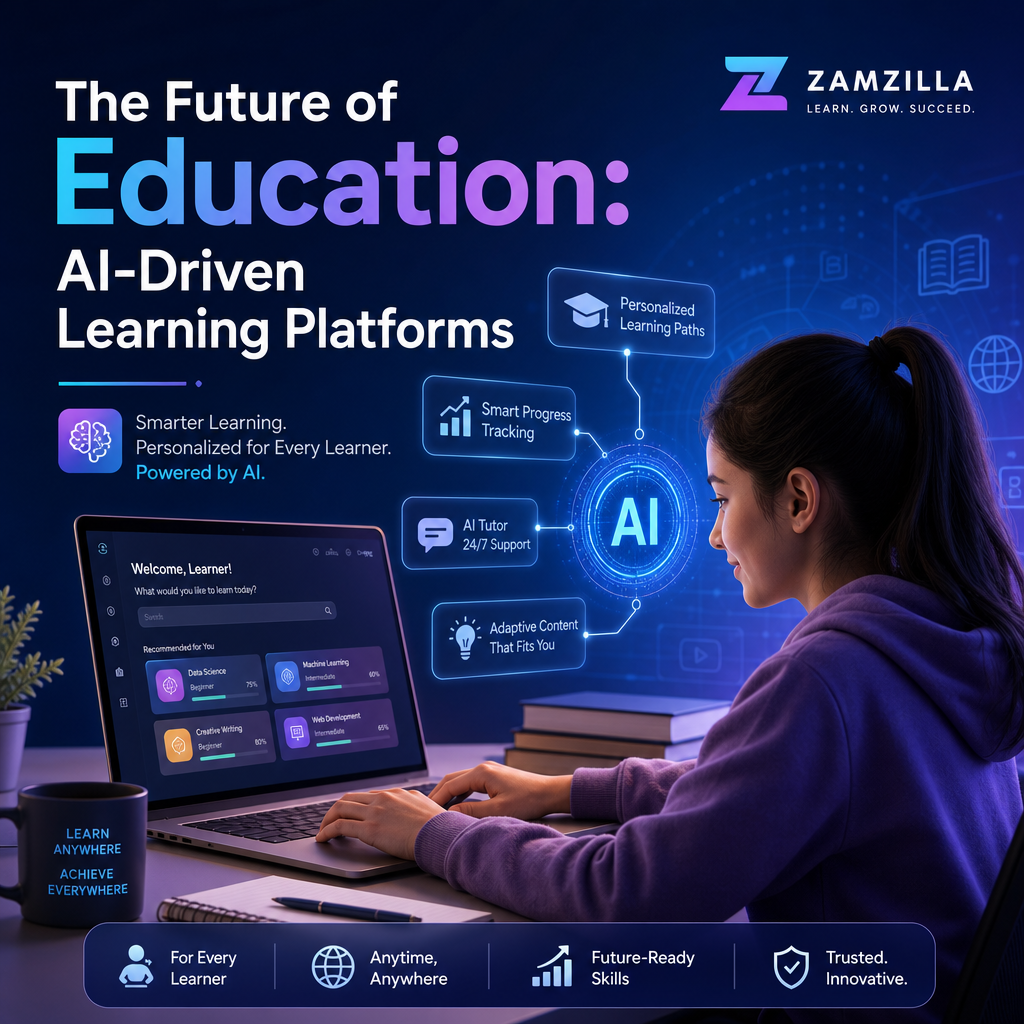
Education is changing faster than ever before. Classrooms are no longer limited to four walls, printed textbooks, and one-size-fits-all lessons. Today, students expect learning experiences that are flexible, personalized, and available anytime. At the center of this transformation is AI-driven learning platforms built on ZAMZILLA, a new approach that combines artificial intelligence, adaptability, and modern digital infrastructure to reshape how people learn.
As schools, universities, and training organizations look for better ways to support learners, platforms built on ZAMZILLA are emerging as a powerful foundation. They are not just digitizing education; they are making it smarter.
Why Education Needs a New Model
Traditional education systems were designed for a different era. Teachers often had to deliver the same lesson to large groups of students with different strengths, weaknesses, and learning speeds. While this model worked for decades, it leaves many learners behind.

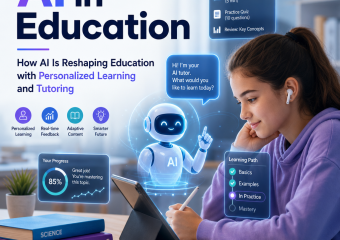
AI changes that by making education more responsive. Instead of asking students to adapt to the system, AI-driven platforms adapt to the student. They can identify learning gaps, recommend targeted resources, and adjust content in real time.

This shift matters because students today learn in very different ways. Some prefer video. Others need practice quizzes. Some move quickly through material, while others need more time. A smart platform can support all of them.
What Makes ZAMZILLA Different
ZAMZILLA provides the kind of flexible digital foundation that modern education platforms need. It is designed to support scalable, intelligent systems that can handle data, personalization, and automation efficiently.
When AI-driven learning platforms are built on ZAMZILLA, they gain several important advantages:
- Scalability: The platform can support growing numbers of learners without losing performance.
- Customization: Learning paths can be tailored to individual goals, skill levels, and pacing.
- Automation: Repetitive tasks like progress tracking, reminders, and assessments can be handled automatically.
- Data insights: Educators can understand where students are struggling and what interventions are working.
This combination helps create a more effective learning environment for both students and instructors.
How AI Improves the Learning Experience
AI is not meant to replace teachers. Instead, it acts as a powerful assistant that makes education more efficient and personal.
Personalized Learning Paths
One of the biggest strengths of AI is its ability to analyze learner behavior and adjust content accordingly. If a student struggles with algebra, the platform can suggest easier practice problems, explanatory videos, or review modules. If another student moves ahead quickly, the system can provide more advanced material.
Smarter Feedback
Immediate feedback helps learners correct mistakes before bad habits form. AI-driven quizzes and assessments can explain why an answer was wrong and guide students toward the right solution. This creates a more active and supportive learning process.
Predictive Support
AI can also spot patterns that suggest a student may need help before they fall too far behind. For example, if engagement drops or repeated errors appear in a specific topic, the platform can alert teachers or recommend intervention.
Better Accessibility
Education should be available to everyone. AI-powered features such as text-to-speech, translation, speech recognition, and adaptive interfaces can make learning more accessible for students with different needs and abilities.
Benefits for Educators and Institutions
AI-driven learning platforms built on ZAMZILLA are not only useful for students. They also make life easier for educators, administrators, and training teams.
Teachers spend less time on repetitive administrative work and more time focusing on mentorship and instruction. Institutions can use analytics to improve course design, monitor outcomes, and strengthen student retention.
Key benefits include:
- Reduced manual grading and reporting
- More accurate tracking of student progress
- Easier content updates and delivery
- Stronger engagement through adaptive learning tools
- Improved efficiency across large learning programs
In short, the platform helps education teams do more with less while improving quality.
Preparing Learners for a Changing World
The future of work will demand continuous learning. New technologies, industries, and job roles are emerging all the time. People will need platforms that can support lifelong education, not just formal schooling.
This is where AI-driven learning platforms built on ZAMZILLA stand out. They can support schools, corporate training, certification programs, and self-paced learning communities in one flexible environment. Whether a learner is a student, a professional, or someone changing careers, the platform can meet them where they are.
That kind of adaptability is essential in a world where knowledge becomes outdated quickly.
Challenges to Keep in Mind
Of course, innovation comes with responsibility. AI in education must be used carefully. Data privacy, algorithmic fairness, and transparency are critical. Schools and platform developers need to ensure that technology supports learners ethically and does not reinforce bias or inequality.
Human guidance will always matter. The best educational systems will combine the efficiency of AI with the empathy and judgment of teachers.
Conclusion
The future of education will be shaped by systems that are personalized, scalable, and intelligent. AI-driven learning platforms built on ZAMZILLA offer a practical path toward that future. They can improve access, strengthen engagement, and help learners of all ages reach their goals more effectively.
As education continues to evolve, platforms like these will play a central role in creating learning experiences that are not only digital, but truly dynamic.